
Understanding the Role of Proper Structure in Building Durability
When constructing a building, one crucial element that determines its durability is the structural support. A solid structure ensures that the building can withstand various stresses over time. Quality construction techniques are key to achieving this stability. By focusing on effective methods, professionals can create buildings that last longer and require less maintenance.
The Importance of Solid Foundations
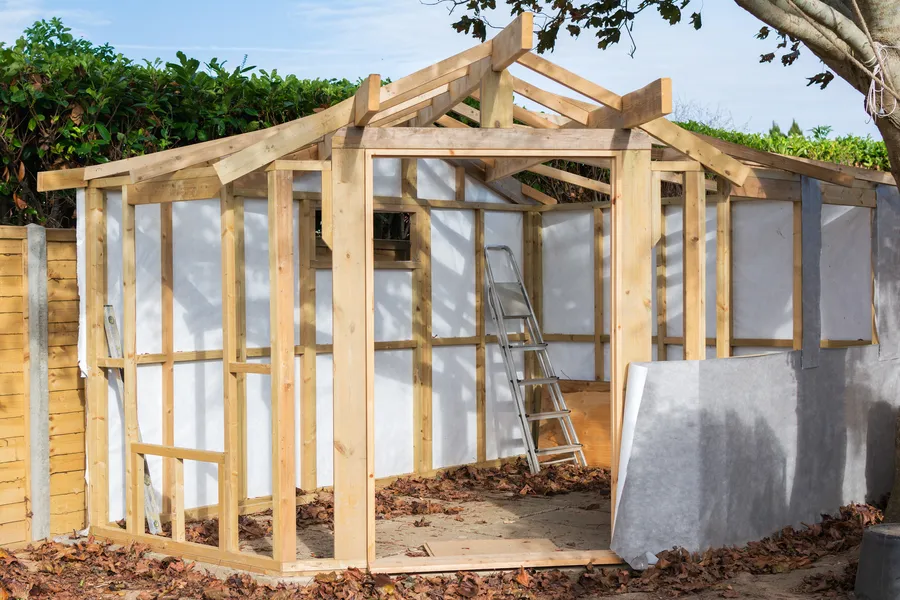
A strong foundation is essential for any construction project. It supports the entire building, ensuring stability and strength. When builders invest time and resources into creating quality foundations, they set the stage for long-lasting structures. This initial investment pays off as it minimizes future repairs and enhances the overall lifespan of the construction.
Integrating Effective Load Distribution
Proper load distribution is vital in maintaining the integrity of a building. This involves ensuring that weight is evenly spread across supporting elements. Techniques such as framing play an important role here. By using these techniques, builders can prevent stress concentration in any one area, reducing the risk of damage.
Reinforcement Techniques for Added Strength
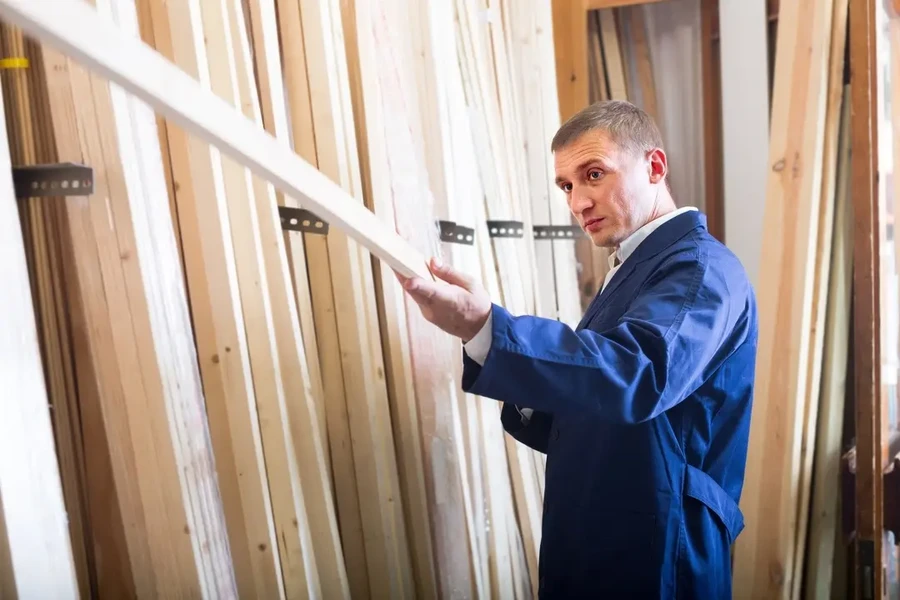
Adding reinforcement to a building’s structure increases its ability to handle external forces. This includes wind, earthquakes, or heavy snow loads. One method used to achieve this is framing. By incorporating steel or wood reinforcements, builders can enhance a building’s resilience, contributing to its longevity.
Advantages of Using High-Quality Materials
The choice of materials significantly impacts a building’s durability. High-quality materials offer better resistance to environmental factors such as moisture and temperature changes. Selecting superior materials from the start means fewer repairs are needed down the line, contributing to a structure’s extended lifespan.
Common Challenges in Construction Projects
Construction projects often face challenges like budget constraints, tight deadlines, and unforeseen weather conditions. These factors can compromise building quality if not managed carefully. Identifying these obstacles early helps in planning effectively to ensure project success.
Best Practices for Long-Lasting Buildings
- Conduct thorough site assessments before starting construction
- Select high-quality, appropriate materials for each part of the project
- Follow industry standards and regulations diligently
- Implement regular inspections and maintenance schedules
- Employ skilled professionals with experience in modern construction techniques
Navigating Industry Standards and Regulations
Compliance with industry standards is non-negotiable in construction projects. Adhering to these guidelines ensures that all safety measures are met and reduces risks associated with structural failures. Regular updates to standards mean professionals must stay informed to maintain compliance.
Considerations for Cost and Value
While cost is always a consideration in construction projects, it’s important to weigh it against long-term value. Investing more initially can lead to savings over time by minimizing repair costs and extending the life of the building. This approach provides greater return on investment as well.
Your Path to Durable Constructions With Professional Guidance
For those interested in enhancing their construction project’s lifespan, partnering with experienced professionals is crucial. They bring industry insights and best practices that contribute to enduring structures. At Construction Lions, we specialize in providing expert services tailored to your needs. Located in St Pauls, NC, our team is ready to assist you. Contact us at (910) 736-6181 for more information.